
The Evolution of LASIK: Understanding Before and After
Laser-Assisted In Situ Keratomileusis, more commonly known as LASIK, has revolutionized eye care over the past few decades. Patients struggling with refractive errors, such as myopia and hyperopia, have found hope in this minimally invasive procedure. By reshaping the cornea with accurate laser technology, LASIK not only restores vision but also enhances the quality of life for countless individuals. As we delve into the various aspects of LASIK, from what to expect before and after the surgery to the innovative technologies utilized at SNU Eye Clinic, readers will gain valuable insights into how this procedure can transform their eye care journey. For those considering LASIK, the concept of lasik before after provides a comprehensive understanding of potential outcomes.
What is LASIK and How Does It Work?
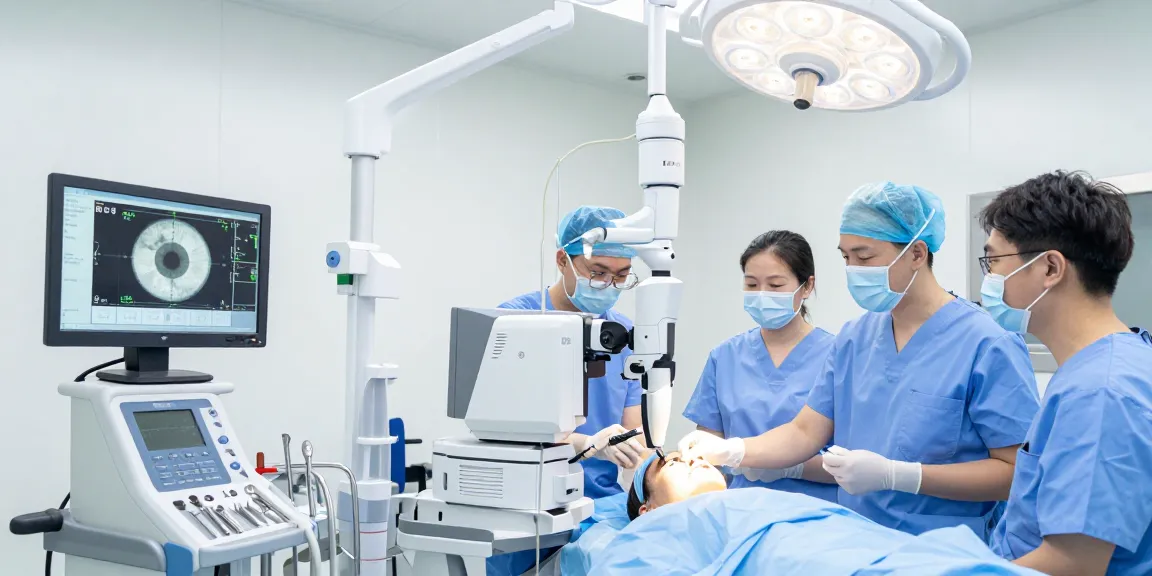
LASIK is a surgical procedure designed to correct refractive vision issues. By using a laser to modify the curvature of the cornea, LASIK allows light to focus correctly on the retina, thereby improving sight. The procedure begins with an initial consultation, where eye specialists evaluate the patient’s overall eye health and determine if they are suitable candidates for surgery. If approved, a specially designed device is used to create a thin flap in the cornea. This flap is gently lifted, and the laser is then utilized to reshape the underlying corneal tissue. Once the procedure is complete, the flap is replaced, facilitating a quick healing process.
Benefits of LASIK: Transformative Results
The primary advantage of LASIK is its ability to provide rapid and effective vision correction. Most patients experience a significant improvement in vision shortly after the operation, with many achieving 20/25 vision or better. Additional benefits include:
- Minimal downtime: Patients can typically return to regular activities within a day or two.
- Long-lasting results: The effects of LASIK are permanent, significantly reducing the need for glasses or contact lenses.
- Enhanced quality of life: Improved vision can lead to greater independence and confidence.
Patient Experiences: Real Before and After Cases
Real patient experiences highlight the transformative power of LASIK. Many patients report feeling liberated from the constraints of corrective eyewear. For instance, John, a 35-year-old teacher, described his life-changing LASIK journey, stating, “I can finally see my students clearly without glasses, and that has made teaching so much more enjoyable.” This kind of feedback illustrates how significant improvements can be and why LASIK continues to gain popularity among various age groups.
Key Factors Influencing LASIK Outcomes
While LASIK has proven effective for many, several factors can influence the success of the surgery. Understanding these factors is crucial for prospective patients. At SNU Eye Clinic, we emphasize the importance of personalized assessments before surgery begins.
Personalized Assessments: Importance of Pre-Surgery Tests
Comprehensive pre-operative testing is essential for optimal surgical outcomes. At SNU Eye Clinic, we perform 52 detailed tests across seven categories to assess the patient’s eye health. These assessments determine the precise nature of the vision issue and aid in crafting a personalized treatment plan tailored to the individual’s unique needs.
Post-Surgery Care: Ensuring Optimal Healing
Post-operative care is equally important as the surgery itself. Patients receive detailed guidelines on eye care during recovery, including the use of prescribed eye drops and avoiding specific activities for a few weeks. Following these instructions can significantly influence recovery time and visual outcomes.
Common Misconceptions About LASIK
Despite its popularity, misconceptions about LASIK persist. Some individuals believe LASIK is painful; however, the procedure involves numbing eye drops to ensure comfort. Others worry about potential risks, but with the advancements in technology and techniques, LASIK is considered one of the safest surgical procedures performed today.
Innovative Technologies at SNU Eye Clinic
At SNU Eye Clinic, we pride ourselves on utilizing cutting-edge technology to enhance patient outcomes. Our commitment to innovation ensures every patient receives the best possible care.
Cutting-Edge Equipment: Advancements in Eye Surgery
Our clinic is equipped with the latest laser systems and diagnostic technologies that provide unparalleled precision in eye surgery. These advancements allow for customizable treatment options based on the patient’s specific eye characteristics, improving both safety and effectiveness.
Expert Surgeons: Ensuring Precision and Safety
The expertise of our surgeons cannot be overstated. With extensive training and experience in refractive surgery, our team at SNU Eye Clinic is dedicated to ensuring each procedure is conducted with the utmost precision. This expertise translates into better surgical outcomes and patient satisfaction.
Research-Driven Practices: Evidence-Based Outcomes
In our dedication to providing quality eye care, we utilize evidence-based practices. Continuous research into the effectiveness of LASIK and its evolving techniques ensures our methodologies remain current, allowing us to adapt to the latest findings in eye health.
Preparing for Your LASIK Surgery
Preparation is key to a successful LASIK experience. Patients considering this procedure should be aware of the necessary steps to ensure a smooth process.
Initial Consultations: What to Expect?
The initial consultation is a vital part of the LASIK journey. During this appointment, patients undergo comprehensive examinations and discussions regarding their vision goals and any concerns they may have about the procedure. This dialogue is crucial in establishing a trusting relationship with the medical team.
Pre-Surgery Guidelines: Key Steps to Follow
Before surgery, patients should follow specific guidelines, such as avoiding contact lenses for several days and refraining from using eye makeup. These precautions help maintain the integrity of the eye and ensure optimal conditions for the surgery.
Understanding Potential Risks and Limitations
While LASIK is largely safe, it is important for patients to understand potential risks, including dry eyes or visual disturbances. Discussing these risks openly with the medical team can provide clarity and help set realistic expectations for the procedure’s outcomes.
Future Trends in Eye Care Post-LASIK
As technology continues to evolve, the field of eye care is set to transform in significant ways. Looking ahead to 2026 and beyond, we can expect remarkable advancements that will enhance patient experience and outcomes.
Emerging Technologies in Laser Eye Surgery
New technologies, such as wavefront-guided LASIK and femtosecond lasers, will likely become more mainstream. These innovations promise improved accuracy in vision correction, better addressing specific visual impairments and reducing the incidence of side effects.
Patient-Centric Approaches in Eye Healthcare
The future of eye care will increasingly focus on patient-centered approaches. This includes personalized treatment plans based on comprehensive data analyses, ensuring each patient’s unique needs and preferences are met.
What to Anticipate in the Coming Years (2026 and Beyond)
As we look to the future, we can anticipate a landscape where technology and patient care converge more than ever. Enhanced virtual reality tools for surgical planning, improved patient education through apps, and advances in telemedicine will likely redefine how patients interact with eye care professionals.
FAQ: What Is the LASIK Experience Like?
The LASIK experience is often described as quick and straightforward. Most patients report feeling minimal discomfort during the procedure and are often surprised at how fast the actual surgery takes place.
FAQ: How Long Does Recovery Take After LASIK?
Recovery times can vary; however, many patients notice immediate improvements post-surgery. Most individuals can resume regular activities within 24 hours, although complete healing may take a few weeks.
FAQ: Are There Any Long-Term Side Effects of LASIK?
While most patients enjoy lasting benefits, some may experience dry eyes or glare at night. Discussing potential long-term side effects with your surgeon can help you weigh the benefits against any risks.
FAQ: Who Is a Good Candidate for LASIK?
Good candidates are generally those over 18 years old with stable vision and no significant eye health issues. A thorough pre-operative assessment at SNU Eye Clinic ensures that each patient is evaluated effectively for potential surgery.
FAQ: How Much Does LASIK Cost at SNU Eye Clinic?
The cost of LASIK can vary based on the technology used and the complexity of the case. However, many patients find the long-term savings on corrective eyewear make LASIK a worthwhile investment in their vision.
