
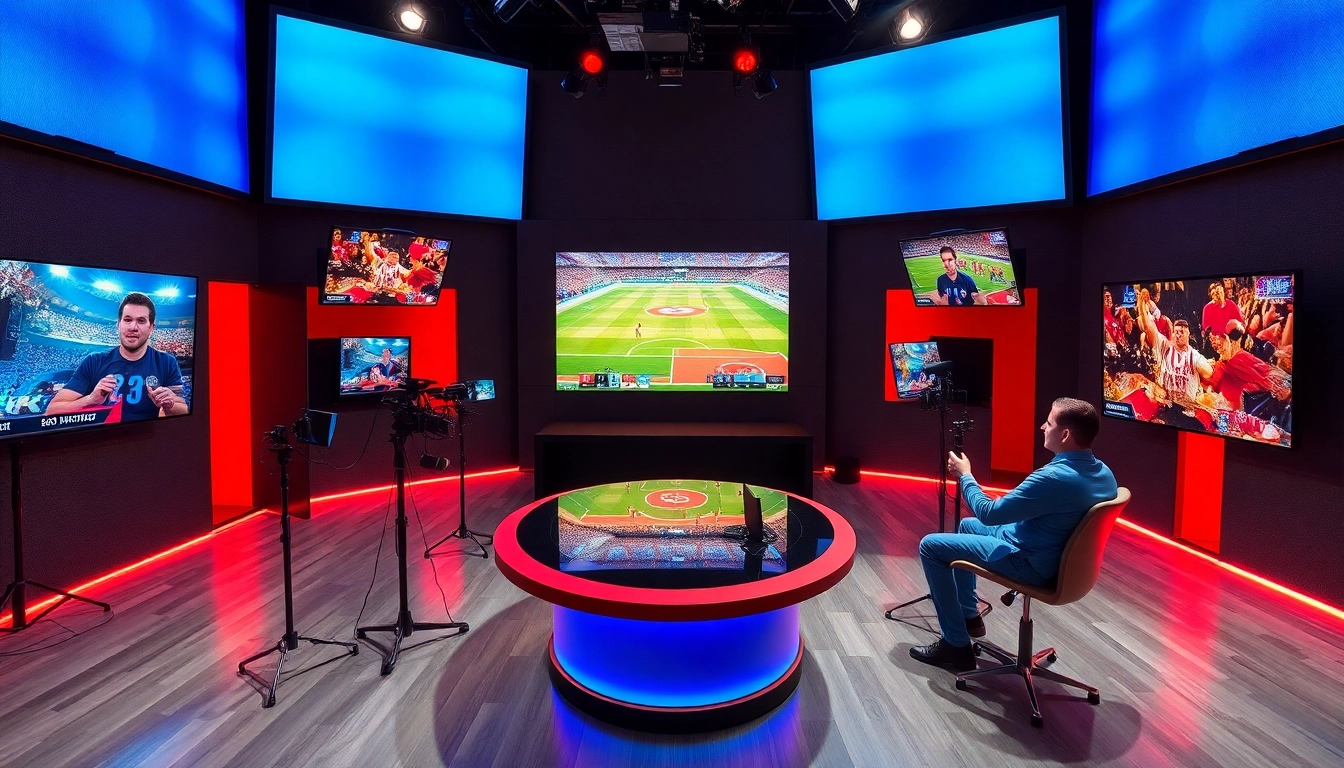
Understanding Sports Broadcasting
Definition and Evolution of Sports Broadcasting
Sports broadcasting is the distribution of sports-related content through various media channels to engage audiences and provide real-time coverage of sporting events. This domain has evolved significantly since its inception. The first sports broadcasts appeared in the early 20th century, primarily through radio broadcasts, which allowed fans to follow their favorite teams even if they couldn’t attend games. The introduction of television revolutionized the industry, with networks competing for exclusive rights to broadcast pivotal events such as the Super Bowl and the Olympics. Today, sports broadcasting encompasses live telecasts, highlight shows, and sports news programs, utilizing both traditional and digital platforms. The rise of the internet has introduced streaming services that offer sports content on demand, further changing how fans consume sports. Sports Broadcasting continually adapts to technological advances and consumer preferences, encapsulating a dynamic industry that solidifies its place in global culture.
The Role of Technology in Sports Broadcasting
Technology plays a pivotal role in shaping how sports are broadcasted. Advances in camera technology, such as 4K and high-speed cameras, deliver stunning visuals that enhance the viewing experience. Innovations in graphics software provide real-time statistics and analytics that engage viewers through interactive displays. Furthermore, replay technology has changed the dynamic of live events; tools like instant replay and multi-angle viewing allow audiences to enjoy a deeper understanding of the game's action. The incorporation of augmented reality (AR) and virtual reality (VR) are also emerging trends that expand immersive viewer experiences, allowing fans to feel like they are part of the action. These technological advancements not only improve viewer engagement but also extend the reach of sports broadcasting to new audiences across the globe.
Key Players in the Sports Broadcasting Industry
The landscape of sports broadcasting is populated by numerous stakeholders, including television networks, sports leagues, streaming platforms, and advertisers. Major broadcasting networks often acquire broadcasting rights from sports leagues, enabling them to air games and events. In recent years, the competition has intensified, with streaming platforms like YouTube, Amazon Prime, and others entering the fray, offering exclusive content and live games directly to consumers. Advertisers also play a critical role, providing the financial muscle needed to fund broadcasts, which in turn impacts the quality and reach of programming. Sports data companies and analytics firms are increasingly involved, providing real-time statistics that enhance broadcasts and engage viewers.
The Impact of Sports Broadcasting on Audience Engagement
How Sports Broadcasting Connects Fans with Events
One of the primary roles of sports broadcasting is to connect fans with the events they love. By providing live coverage, highlights, and expert analysis, sports broadcasters create a bridge between the event and the viewer. Many fans rely on broadcasts to stay connected to their teams, especially if geographical or logistical barriers prevent them from attending in person. Broadcasting events in multiple languages and through various media channels also ensures a wider reach, catering to diverse demographics. The emotional connection formed through these broadcasts often leads to increased loyalty towards teams and leagues, fostering a strong sense of community among fans.
Enhancing Viewer Experiences Through Multiple Platforms
As technology continues to evolve, so too do the platforms through which audiences consume sports content. Today, it’s not uncommon for broadcasters to provide simultaneous coverage across television, mobile devices, and online streaming services. This multi-platform approach enables flexibility and personalization for viewers. For instance, fans can choose to watch a game live on television or stream it on a mobile app while receiving real-time updates on their favorite teams through social media platforms. This seamless integration enhances the overall viewer experience and caters to modern audience preferences for instant access to content.
Trends in Audience Consumption of Sports Broadcasting
Current trends indicate a shift in audience consumption patterns related to sports broadcasting. Young audiences are increasingly inclined toward on-demand content instead of traditional live broadcasts. This phenomenon is exacerbated by the rise in mobile viewership, as fans find it more convenient to access content on the go. Interactive content, including live chats and social media engagement during broadcasts, has also gained traction, encouraging fans to participate in discussions in real-time. Moreover, data analytics is becoming a crucial aspect of audience understanding, allowing broadcasters to tailor content to viewer preferences, thereby enhancing engagement levels.
Challenges Faced by Sports Broadcasting Professionals
Adapting to Changing Viewer Preferences
The rapid evolution of viewer preferences poses significant challenges for sports broadcasting professionals. With younger audiences favoring shorter, more engaging content over lengthy traditional broadcasts, networks must evolve to maintain relevance. This requires ongoing research into audience behavior and preferences, along with the ability to pivot quickly toward new content formats. Additionally, integrating interactive features that connect fans and provide personalized experiences is essential for sustaining viewer interest.
Navigating Legal and Licensing Issues
Legal and licensing issues are prevalent in sports broadcasting and can significantly impact operations. Obtaining broadcasting rights from sports leagues has become increasingly complex and costly, as rights holders negotiate lucrative contracts that reflect the value of exclusive access. Legal disputes can arise over broadcasting rights, often requiring extensive negotiations and legal expertise to resolve. Networking with legal experts and developing a thorough understanding of the regulatory landscape is vital for broadcasting professionals to mitigate risks associated with these challenges.
Maintaining Quality Amidst Competition
The competitive nature of sports broadcasting means that maintaining high-quality content is more critical than ever. With numerous channels vying for audiences’ attention, broadcasters must invest in quality production, experienced commentators, and engaging storytelling to stand out. This calls for an emphasis on continuous training and development of talent, as well as the adoption of cutting-edge technology to enhance broadcasting standards. Quality has become a determinant of success in an environment where audience retention is increasingly challenging.
Best Practices for Effective Sports Broadcasting
Maximizing Technology for Live Coverage
To achieve effective sports broadcasting, leveraging technology for live coverage is essential. Broadcasters should invest in high-definition cameras, drone technology, and reliable internet connections to ensure seamless streaming experiences. Real-time analytics and graphics integration can be used to enhance storytelling and provide depth to coverage. Collaborating with tech partners and integrating innovative solutions into the operational framework can significantly elevate the quality of live broadcasts.
Engaging Audiences with Diverse Content
Engagement can be significantly improved by offering diverse content that caters to various audience segments. This can include behind-the-scenes looks, player interviews, and in-depth analysis, as well as entertainment features that resonate with fans. Ambitious producers may also incorporate user-generated content, allowing fans to share their perspectives, experiences, and reactions, thereby fostering a community-oriented atmosphere. Developing a comprehensive content strategy that balances sports-focused programming with engaging lifestyle content is vital for creativity.
Utilizing Social Media in Sports Broadcasting
Social media has revolutionized sports broadcasting by providing platforms for instant interaction and engagement with fans. By regularly sharing highlights, live updates, and engaging polls during broadcasts, broadcasters can foster real-time discussions and enhance viewer participation. Encouraging fans to share their thoughts and reactions on social networks can create a sense of connection and community, ultimately driving higher viewer retention and loyalty. Sports broadcasters must prioritize social media as a core component of their overall strategy to reach broader audiences and create more immersive experiences.
Future Trends in Sports Broadcasting
The Influence of Streaming Services on Sports Broadcasting
Streaming services have disrupted traditional sports broadcasting models by offering alternative methods for viewers to access content. The convenience of subscribing to a service that allows on-demand viewing caters to changing audience behaviors and preferences. Partnerships between sports leagues and streaming platforms are growing, leading to exclusive content offerings that drive subscriber growth. As these services continue to thrive, traditional broadcasters must adapt by considering hybrid models that combine live broadcasting with streaming capabilities.
Innovative Technologies Shaping Future Sports Broadcasting
As technology advances, several innovations are shaping the future of sports broadcasting. Artificial intelligence (AI) is emerging as a significant player, offering capabilities such as enhanced spectator experience through personalized content recommendations and automated highlight generation. Blockchain technology promises to revolutionize copyright management and fan engagement through secure transactions and unique digital ownership (i.e., NFTs). The growing presence of 5G technology also has implications for sports broadcasting, improving streaming quality and reducing latency, which enhances the live viewing experience.
Predictions for the Next Decade of Sports Broadcasting
In the next decade, sports broadcasting is likely to see a continued blending of traditional and digital media. While the demand for live sports will remain strong, ongoing shifts toward personalized, on-demand content and interactive viewing experiences will redefine consumer expectations. Data-driven insights will play an increasingly crucial role in shaping content, ensuring broadcasters meet audience preferences and consumption patterns. Preparations for these changes will require adaptability and innovation, guaranteeing that sports broadcasting remains at the forefront of entertainment in an ever-evolving media landscape.
FAQs
What is sports broadcasting?
Sports broadcasting involves the dissemination of sports-related content through media channels, providing coverage, commentary, and analysis of live events and sports news.
How has technology impacted sports broadcasting?
Technology has enhanced visuals, improved analytics, and introduced immersive experiences, such as augmented reality, making sports broadcasting more engaging for fans.
What challenges do sports broadcasters face today?
Sports broadcasters face challenges such as evolving viewer preferences, legal licensing issues, and the need to maintain high-quality content amidst stiff competition.
How can social media influence sports broadcasting?
Social media platforms allow broadcasters to engage with audiences in real time, share highlights, and promote interactive dialogue, enhancing viewer participation and community engagement.
What are some future trends in sports broadcasting?
Future trends include increased collaboration with streaming services, growth in AI and blockchain applications, and ongoing innovations in technology that enhance the viewer experience.