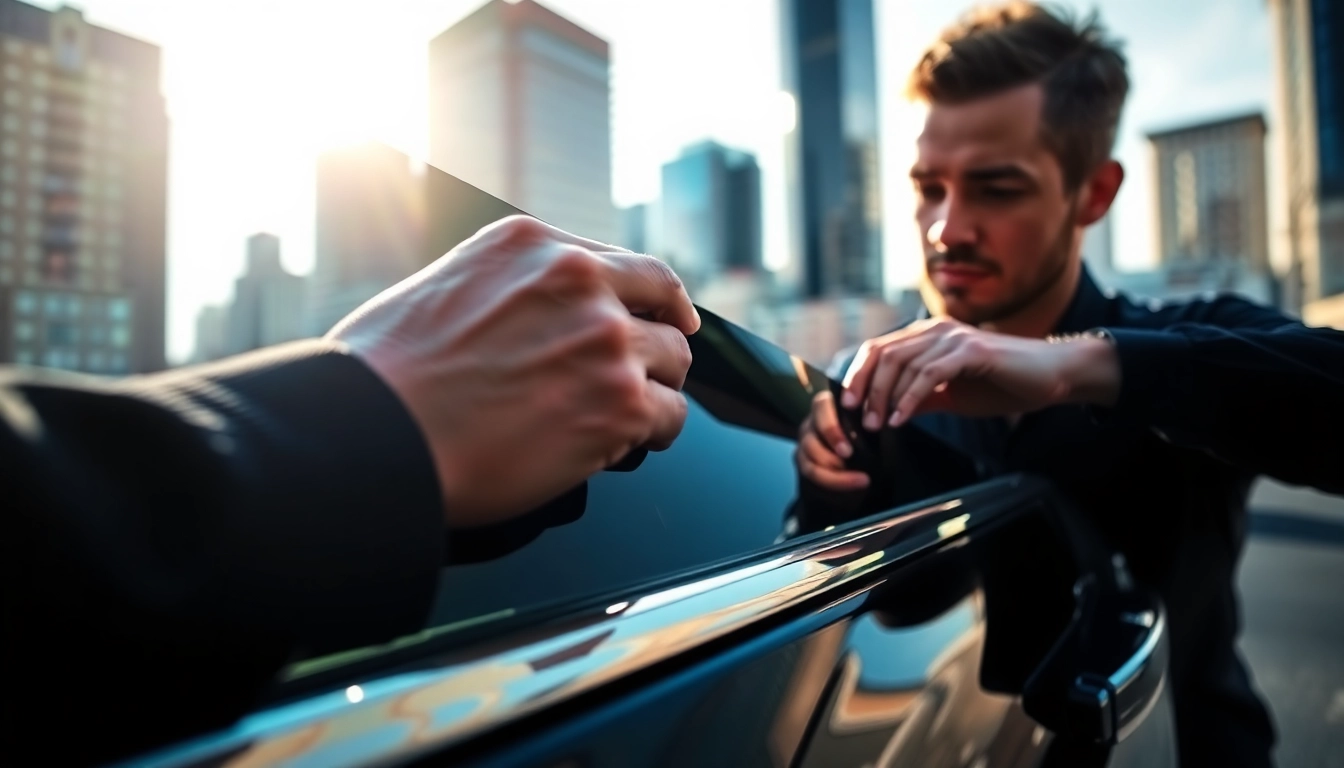
Understanding Window Tinting Cleveland TN
What is Window Tinting?
Window tinting involves applying a thin film to the windows of vehicles, homes, or commercial buildings to reduce light and UV exposure. This process enhances privacy, minimizes glare, and adds a stylish touch. Typically, window tinting films are made of polyester and coated with specific materials to achieve the desired tint level. The result is a visually appealing aesthetic with functional advantages, making it an increasingly popular choice among vehicle & property owners alike.
Benefits of Window Tinting Cleveland TN
Before deciding on window tinting Cleveland TN, it's beneficial to understand its numerous advantages:
- UV Protection: Quality films can block up to 99% of harmful ultraviolet rays, significantly reducing the risk of skin cancer and fading of interiors.
- Heat Rejection: Tinted windows can significantly lower interior temperatures, leading to reduced air conditioning usage and better comfort.
- Privacy: Window tinting enhances personal privacy, preventing outsiders from peering into vehicles or homes.
- Aesthetic Appeal: Available in various shades and styles, window tinting adds a sleek, modern look to any vehicle or building.
- Glare Reduction: Tints help reduce bright sunlight glare, making driving or working conditions more comfortable.
- Safety: In case of breakage, tint films can hold glass shards together, reducing the risk of injury.
Types of Window Tinting Films
Choosing the right window tinting film is crucial for achieving the desired results. Here are the common types of window tinting films available:
- Dye-Based Films: These films use dye embedded in the polyester, primarily for aesthetic enhancements and basic heat control.
- Metalized Films: Offering enhanced durability and heat rejection, this type contains metal particles that increase reflectivity and block UV rays while adding an additional layer of safety.
- Ceramic Films: High-end options that provide excellent heat and UV resistance without affecting visibility. They are scratch-resistant and will not fade over time.
- Hybrid Films: A combination of dyed and metalized films, hybrids offer balanced properties, delivering a mix of beauty and function.
- Clear Films: These invisible films provide UV protection without tinting the glass, perfect for those seeking sun protection without changing the appearance of their windows.
The Process of Window Tinting
Preparation for Installation
Proper preparation before window tinting is essential. Before installation, thoroughly clean the windows using a soft cloth and a suitable window cleaner to remove any dirt or residue. Inspect your windows for any existing damages, like chips or cracks, as these can interfere with film application. If necessary, repair any issues prior to tinting.
Professional vs. DIY Window Tinting
Consider whether you will hire a professional for window tinting or attempt to do it yourself. Professional installation guarantees quality because of expertise and experience, but DIY can be less expensive and rewarding. Professional installers typically offer warranties, while DIY may involve a learning curve with risks such as improper application. Weigh these factors when deciding.
Steps Involved in Tinting
Below are the typical steps followed during window tinting:
- Window Cleaning: Ensuring windows are spotless to promote adhesion.
- Measuring and Cutting: The film is measured based on window size and accurately cut to prevent wastage.
- Application: The film is applied to the glass by spraying a solution that helps position it without bubbles.
- Smoothing: A squeegee is used to push out air bubbles and excess water, ensuring a smooth finish.
- Curing: Allow the film to set undisturbed for a specified period, sometimes several days, before rolling down windows.
Choosing the Right Tinting Service
Factors to Consider in Window Tinting Cleveland TN
When selecting a window tinting service, consider the following factors:
- Experience: Seek providers with a proven track record in window tinting.
- Reputation: Look for online reviews, recommendations, and testimonials from previous clients.
- Film Quality: Confirm that they are using high-quality films that meet or exceed industry standards.
- Service Offerings: Ensure they provide various film types and shades to meet your specific needs.
- Warranties: A good service will offer warranties for both the film and the installation.
Evaluating Service Providers
To identify the right service providers, consider requesting quotes and checking for certifications. Visit to see their work and discuss options with them. This personal interaction will help gauge their professionalism and knowledge. Understand their techniques and adherence to industry standards to ensure they can meet your specific preferences.
Understanding Pricing Structure
The pricing for window tinting can vary greatly based on several factors, including:
- Vehicle Type: Larger windows or complex designs typically cost more.
- Film Type: Premium films may have higher installation costs but provide better longevity and performance.
- Installation Difficulty: If intricate installation is required, expect higher labor charges.
- Location: Pricing may vary based on the provider's location and regional market rates.
Maintenance for Window Tinting
Best Practices for Care
Proper maintenance ensures the longevity of window tint films. Consider these best practices:
- Wait Before Cleaning: Avoid cleaning the windows for at least 48 hours post-application.
- Use Non-Abrasive Products: Use gentle, non-abrasive cleaners to prevent scratching or degrading the film.
- Avoid Using Ammonia: Ammonia-based products can harm the tint; opt for designated window film cleaning products.
Common Issues and Solutions
Despite careful application, some common tinting issues may arise:
- Bubbles: Usually a result of improper installation or moisture trapped under the film.
- Peeling: This can occur due to poor adhesion or wear. In such cases, professional reinstallation may be necessary.
- Fading: Quality films won’t fade rapidly, but exposure to excessive sunlight can lighten cheaper alternatives.
Lifespan of Window Tinting Films
The lifespan of window tinting films generally ranges from 5 to 10 years, depending on the quality and maintenance methods employed. Factors like climate conditions, sunlight intensity, and proper installation impact durability. Regularly caring for your window tints can extend their lifespan significantly.
Frequently Asked Questions
What are the legal regulations for window tinting in Cleveland?
In Cleveland, window tinting regulations restrict the darkness of tints on front and side windows. It’s vital to verify local laws to avoid penalties.
How long does window tinting last?
Quality window tinting can last between 5 to 10 years, depending on the film quality and proper maintenance.
Can I wash my car after window tinting?
It's recommended to wait at least 48 hours before washing your car to ensure the adhesive sets properly without disturbance.
Is window tinting expensive?
Pricing for window tinting varies based on vehicle type, film choice, and labor costs, but many find the investment worthwhile due to benefits.
What are the benefits of factory tinting versus aftermarket?
Factory tinting offers guaranteed uniformity and compliance with regulations, while aftermarket allows more customization options but can vary in quality.